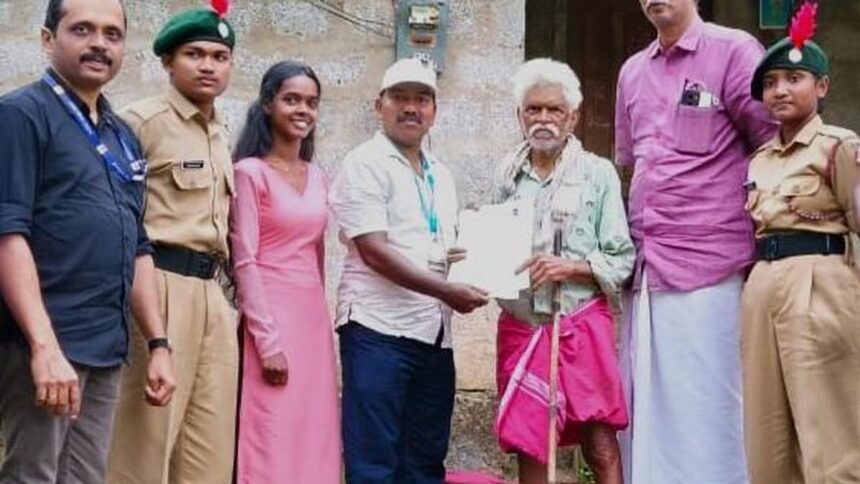







Delhi Police Commissioner Anurag Kumar, Joint Commissioner Nupur Prasad and other senior officers inspected Jahanpanah Forest and Deer Park in south Delhi late on Friday, reviewing lighting, CCTV coverage, boundary walls, gates, guards and access control as the force stepped up its assessment of parks and other public spaces following the gang rape of a 17-year-old girl at Astha Kunj Park on September 21.
Similar assessments are being conducted across the city in coordination with civic and other agencies to identify infrastructure gaps and strengthen safety. More than 170 parks have been audited in south Delhi and around 150 designated parks in south-east Delhi, officials told The Hindu.
South Delhi Deputy Commissioner of Police Anant Mittal said officers were assessing physical security measures, speaking to park users and residents to understand whether they felt safe using the spaces, and flagging shortcomings to the agencies concerned.

Police officials reviewing security arrangements at a south Delhi park.
| Photo Credit:
Special arrangement
Security measures
The intensified policing comes alongside a series of measures announced after the Astha Kunj incident, including increased women’s patrolling around educational institutions and parks, an increase in all-women PCR vans from 15 to 35, and the formation of the women-centric ‘Pink Force’ and a ‘Pink Scooty’ squad with 15 scooters, each carrying two women personnel. Bus and foot patrols in parks and other public spaces have also been announced.
The Delhi Development Authority (DDA), meanwhile, restricted entry into its parks after sunset, drawing opposition from women students who said curbing women’s access to public spaces could not be the answer to sexual violence.
Students take to streets
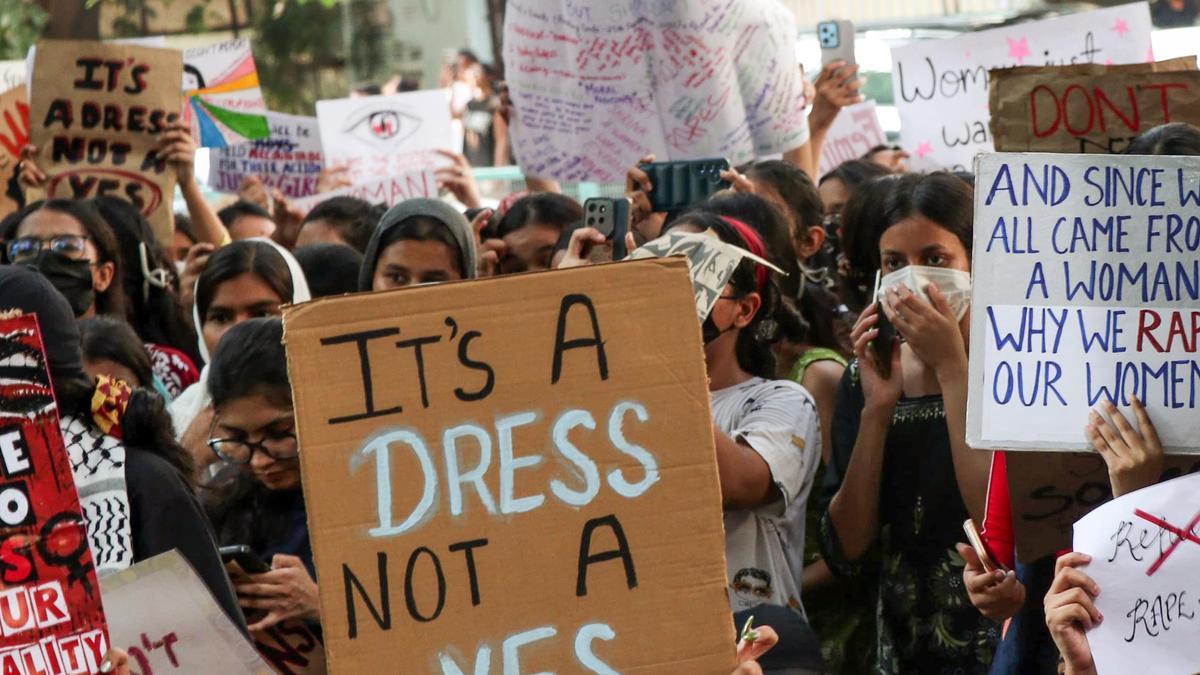
On Friday, hundreds of students from Lady Shri Ram College for Women, Gargi College and Kamala Nehru College marched from near Gargi College towards Kamala Nehru College on Siri Fort Road, protesting against restrictions on women’s access to public spaces and what they described as inadequate safety infrastructure.
The march moved to DDA’s Arun Jaitley Park for a public meeting before returning to the streets around 7 p.m. for a night march.
The students said their demands went beyond immediate policing measures and called for changes in infrastructure, institutions and social conditions that determine whether women can move freely through the city.
They were particularly critical of surveillance-led approaches to safety, arguing that CCTV cameras and GPS-tracking applications could not substitute for addressing crimes against women and institutional failures.
“Technology will not fix this anti-women system. CCTVs and GPS tracking applications are used to monitor women’s movement but disappear when powerful men are involved in crimes against women,” the protesters said.
They sought implementation of the Justice Verma Committee’s recommendations on police sensitisation, from the lowest to the highest ranks, and fast-track courts for crimes against women.
Transport, public facilities
The students demanded better street lighting on empty roads, in parks and other public spaces, particularly around universities, slums and industrial areas.
They also sought affordable metro passes for women, more DTC buses and shuttle services to metro stations, and an end to women being refused travel on buses. They argued that greater use of public transport by women would increase the number of people present to witness and intervene in cases of harassment.
The declaration also sought usable public toilets for women and gender minorities, sanitary pad vending machines, medicines for common menstrual disorders and other public health facilities.
At educational institutions and workplaces, the students demanded elected Internal Complaints Committees, time-bound action on complaints and regular sensitisation programmes.
Economic and social concerns
The students said women’s safety was also linked to their economic and social ability to step outside their homes.
They demanded hostels and scholarships for women students, greater access to higher education in STEM and professional fields, equal pay, and an end to lower-paid contractual employment of women.
They also called for greater investment in anganwadis, creches, maternity homes, community laundries and kitchens to reduce the unpaid care burden that can limit women’s ability to study and work outside the home.
The declaration further sought accountability in cases involving powerful men, an end to the glorification of rapists, recognition of women care workers as workers rather than ‘help’, ‘maids’ or ‘volunteers’, and protection of women’s participation as equal citizens, including their right to inherit property.
The students said safety should not come at the cost of women’s freedom to occupy the city, and called for public spaces, transport systems and institutions that allowed women to move, study, work and gather without having to retreat indoors after dark.
The collective said similar marches would be held across Delhi University colleges.
Published – September 27, 2026 12:20 am IST