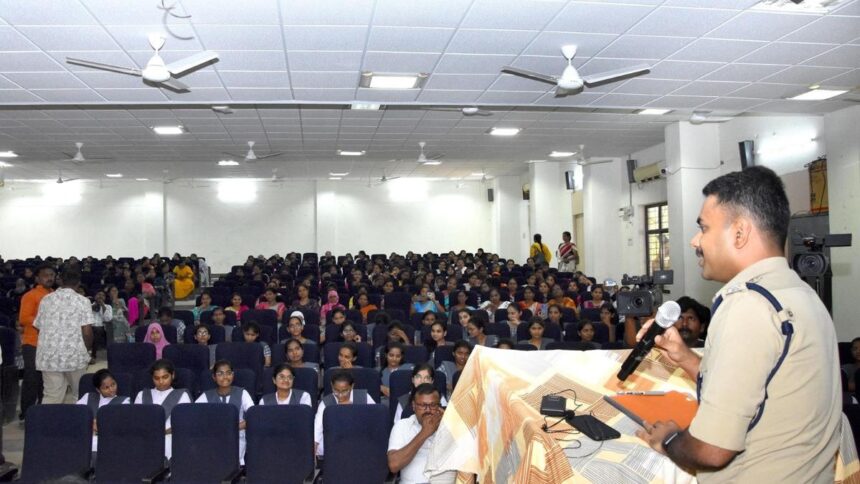



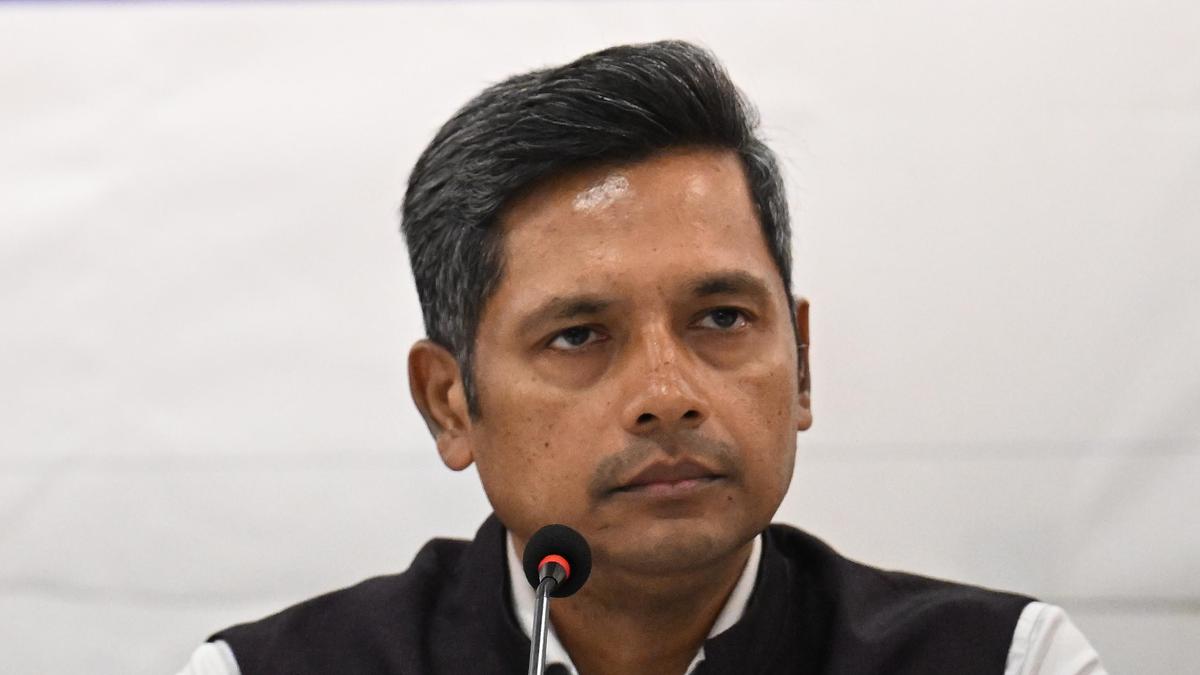


Chief Electoral Officer Rathan Kelkar. File
| Photo Credit: Nirmal Harindran
The Special Intensive Revision (SIR) of electoral rolls is an exercise aimed at “sanitising” voter lists — a demand long made by voters and political parties — though many may not have anticipated that the process would be more cumbersome than routine summary revisions, Kerala Chief Electoral Officer (CEO) Rathan U. Kelkar has said.
In an interview with The Hindu, Mr. Kelkar noted that perceptions around electoral rolls has changed significantly after the 2024 Lok Sabha elections. “There have been numerous allegations — of multiple voters listed at a single address; deceased persons continuing to be on the rolls; and voters who have relocated but whose names still appear in their earlier constituencies,” he said.
Against this backdrop, he said, voters, political parties, and the media sought a “pure” electoral roll, free of defects. “SIR is the mechanism through which such sanitisation can actually be carried out,” he said.
Mr. Kelkar said the current exercise is far more intensive than the earlier revisions. “Perhaps people did not fully realise that this process would be more demanding than the normal summary revision,” he said.
In the previous revisions, he pointed out, predominantly physical verification was undertaken only when objections were raised. “Now, officials are visiting homes and checking records in all cases. Naturally, this caused some initial concern among people,” he said.
According to Mr. Kelkar, in Kerala, mainly those voters whose names could not be linked with the 2002 electoral rolls faced difficulties, resulting in issuance of notices. “Had the mapping been done correctly, no voter would have been called or issued notices,” he said.
Mr. Kelkar, who himself appeared before an Electoral Registration Officer (ERO) for a hearing, said that the inconvenience involved was minimal. “If one genuinely wants a clean electoral roll, the only inconvenience is attending a hearing before the AERO on a given day. If that day is not convenient, another date is provided. The hearing itself takes hardly three minutes,” he said and urged the people to assist the election officials.
Mr. Kelkar said that 94.5% of voters in Kerala have already been mapped, and around 19.5 lakh have received notices.
He asserted that most voters in the State possess two or three of the documents prescribed by the Election Commission of India (ECI) and if they don’t possess, the DEOs will facilitate such eligible persons to obtain the relevant records. “I have personally travelled to some of the most remote tribal hamlets in Attapady and also to interior tribal settlements in Thiruvananthapuram. Even there, people possess the required records,” he said.
Published – January 24, 2026 08:50 pm IST