


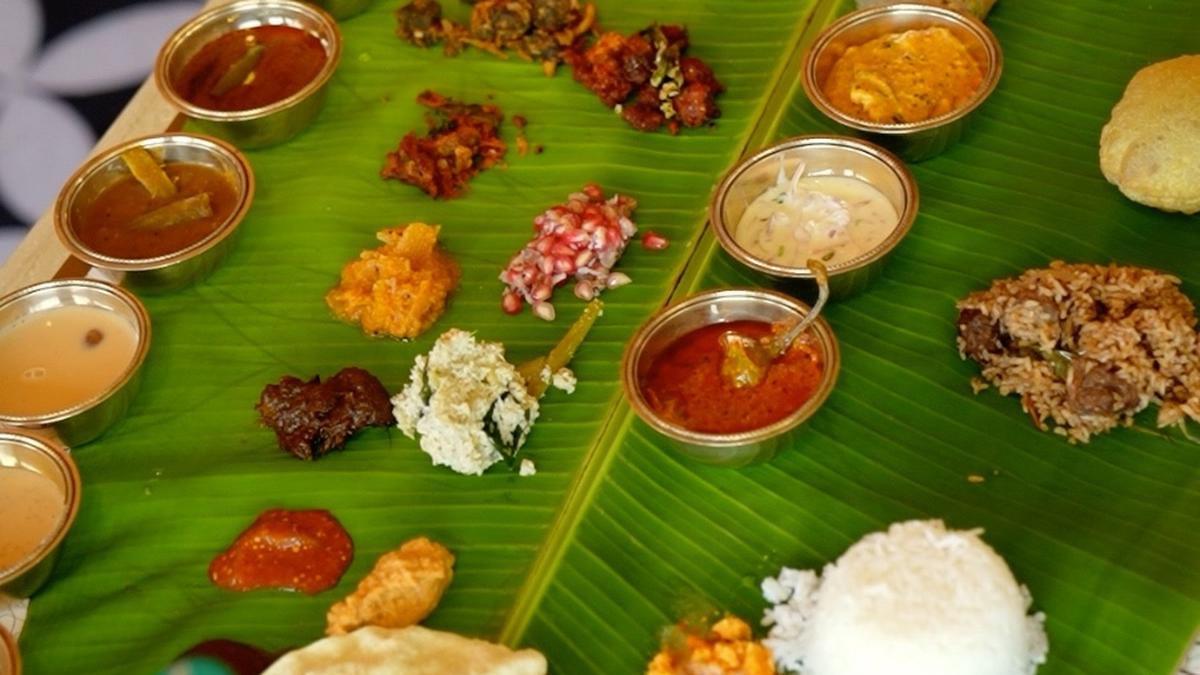

Most recently, Sampath Gupta and Sangeetha Gupta of Mamatha Caterers were approached by a family organising a wedding with an unsual request: an authentic South Indian menu representing different Southern states across the various wedding events. The result was a culinary journey through the region. The welcome lunch featured a Kerala sadhya, followed by an Andhra-style high tea, a Karnataka-style breakfast, a traditional Tamil Nadu meal and for reception it was fusion menu comprising regional cuisines from acrross India and international cuisine.
“Innovation and fusion in food have been trending over the past four or five years. Post-pandemic, people have become more willing to spend extravagantly on weddings, with couples and families investing in every aspect of the celebration,” says Sampath. For wedding caterers, such requests offer a glimpse into how the wedding feast is evolving — from a largely traditional spread to a more carefully curated experience, where regional cuisines, innovation, and personalisation increasingly find a place on the menu.
All about customisation
TP Rangaraj, popularly known as Madhampatty Rangaraj, who is at the helm of Madhampatty Thangavelu Hospitality, says that from a catering perspective, he has noticed a growing preference among couples for multi-cuisine menus and specific regional cuisines, including Chettinad, Kerala, and Andhra fare, alongside international menu offerings. His most popular dishes include the jackfruit biryani, guava chutney, and the sanguppo idiyappam-violet cabbage stew.

TP. Rangaraj with his team of overseas chefs at a wedding
| Photo Credit:
Special Arrangement
“Families are willing to spend even ₹5,000 to ₹10,000 per head on a wedding meal. We have even flown down chefs from France, Italy, Japan, and Thailand to prepare authentic cuisine at weddings from these countries,” he says. Rangaraj also points to a shift in the scale of weddings. “Before the pandemic, families would invite 3,000 to 5,000 guests for a wedding. Over the past five years, the guest list has come down to around 1,000 to 2,000, but the focus is now on creating memorable moments for them, he says. Rangaraj adds that 24 years ago, when he entered the industry, it was the parents who decided the wedding menu, but these days, couples are actively involved in the process. “The trend now is towards concept-oriented menus, thematic buffet counters, and fusion and innovation in the food served,” he says.

A Mexican food station at a wedding venue by Mamtha Caterers
| Photo Credit:
Special Arrangement
One reason for the growing demand for fusion menus and a mix of regional cuisines is the increasing number of inter-cultural marriages, says Siva Subramanian of Kamalambal Catering Services. With families from different culinary traditions coming together, wedding menus are increasingly becoming a way to represent and accommodate diverse food preferences. “Instagrammable weddings are trending. Whether it is the venue, with couples opting for beaches and outdoor settings, the decor or the food, there is a growing emphasis on innovation. Even the plating is given attention, because everything is shared on social media,” says Siva. He also points to a change in the nature of guest lists. “There are fewer guests, but greater spending and more elaborate food experiences per guest. Which is why, these days, no one wants to miss a wedding,” invitation,” he says.

Rosgulla lollypop by Mamtha Caterers
| Photo Credit:
Special Arrangement
Social media, in particular, has given caterers a new brief: food has to taste good, but it also has to look good on camera. Resonating with these observations, MS Sriram of VCS Four Brothers Catering says, “dramatic and visually appealing live counters with catchy titles are a must. Dreamy dessert decks, with a range of ice creams, ‘Pulp at Your Point’ for fresh juices, street food counters, 90s-kids counters and Turkish ice cream are popular. A live dosa counter, where chutney is stone-ground and served fresh, is also popular.”
Avant garde
He adds that couples are willing to spend more on events such as the sangeet, mehendi, and haldi than on the wedding ceremony. He also notes a shift in who drives menu decisions. “Couples now interact directly with the caterers rather than leaving the decisions to their parents. In fact, couples are willing to spend more on events such as the sangeet, mehendi and haldi than they would on the ritualistic wedding ceremony,” says Sriram.

Orange ice cream
| Photo Credit:
Special Arrangement
While the buffet continues at some weddings, caterers say the format is also being rethought, with greater emphasis on live counters, table service, and smaller-batch cooking. Mamatha Caterers, for instance, offers dishes such as gongura spaghetti, adai pancakes, Madras ramen — coconut-milk rasam served with masala vada and sprinkled with vendakka crisps — and Marwadi khow suey. “For receptions, it is mostly a 50% fusion buffet menu, and we also offer personalised table service alongside the buffet,” says Sampath. “Buffets are no longer preferred at weddings, as this elimanates excessive food wastage,” says Sriram. of VCS Four Brothers Catering. Madhampatty Rangaraj attributes this partly to concerns over food wastage. “As caterers, we have to be careful about food wastage. Avoiding buffets helps eliminate wastage. Moreover, we cook in batches based on footfall,” he says, adding that he has now introduced tetrapack water bottles to avoid excessive plastic usage.

An elaborate Muhurtham lunch by Kamalambal Catering Services
| Photo Credit:
Special Arrangement
With over a decade of experience in wedding planning, Ramkumar Varsham of Varsham Events says catering to Gen Z couples has made work easier, as they tend to have a clear vision of what they want and are mindful rather than lavish in their spending. Friends make up a larger share of the guest list rather than family, he adds. “While the couples spend around 30 to 40% per cent of the wedding expenses, the parents bear the rest. Young couples often prefer temple weddings with fewer than 100 guests and host the reception later, on a non-muhurtham date, when venues are more easily available. They also downsize the guest list but ensure that the guest experience is memorable, with When it comes to food during the muhurtam, however, tradition remains firmly in place,. “A traditional elai sappadu is never compromised for the muhurtham lunch. It is largely through social media that innovative and fusion menus are being showcased, and more events are being added prior to the wedding,” says Ramkumar.
For all the experimentation taking place on the wedding menu, tradition has not disappeared from the plate. The muhurtham meal remains firmly rooted in regional culinary traditions, while receptions and other celebrations have become spaces for couples to experiment with personalised dining experiences.
The shift, therefore, is not from traditional to modern, but towards a more curated celebration.For today’s couples, food is increasingly part of the entertainment and the experience — something to savour, remember and, inevitably, share.
Top picks
Madhampatty Thangavelu Hospitality: Ilan dosa withguava chutney, sanguppo idiyappam with violet cabbage stew, Currypazha briyani with raitha, arisi paruppu satham withpotato brinjai varuval and Palayakottai milagupodi satham with nellikka pachadi
Kamalambal Caterting Services: Green Apple pickle, sweet potato paratha, lotus stem morkuzhambu, blueberry kajukathli and chikkoo Payasam.
Mamtha Caterers: Gongura Spagetti, Madras Ramen, Bhutanese ema datshi (soup), Blueberry rasam and South Indian sushi
VCS Four Brothers Catering: Maalpua, palgoa boli, lotus biscoff kalakand, vetrilai sadam and khus khus payasam.