


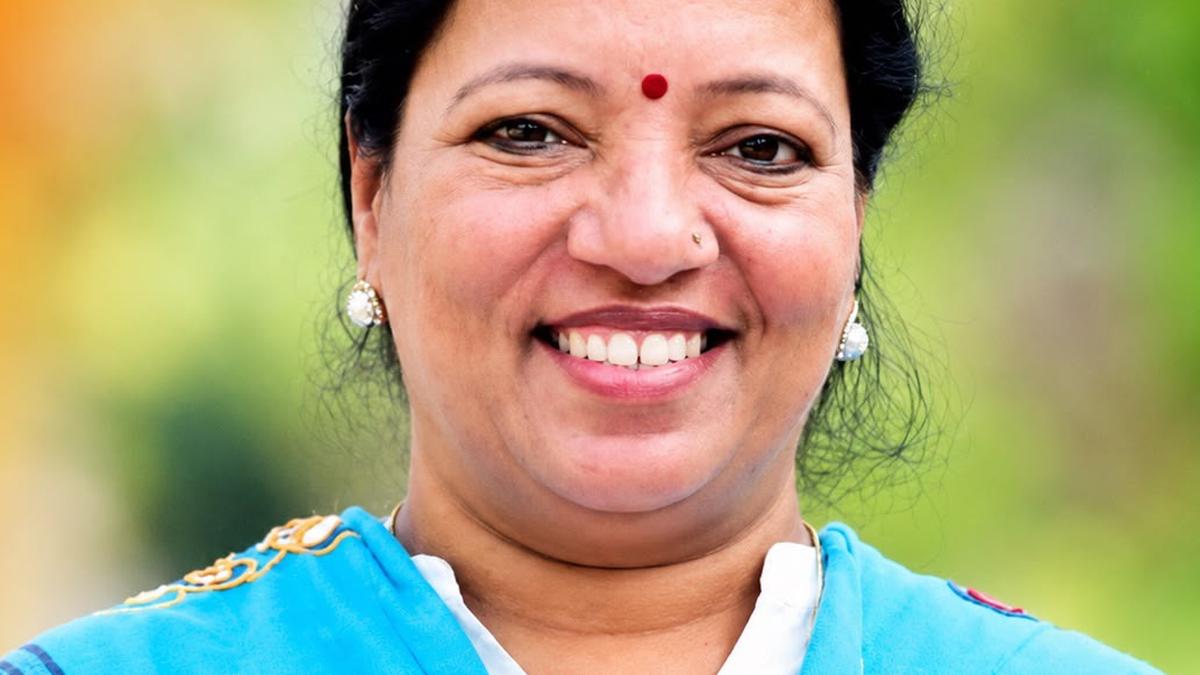

The Keralam government has completed 32 projects under the 100-day programme of the Scheduled Castes, Scheduled Tribes and Backward Classes Welfare department. SC/ST and Backward Classes Welfare Minister K.A. Thulasi said that the projects covered housing, education, employment, loans, digital services and tribal welfare. The government built 1,000 study rooms for students and completed development works in 50 Ambedkar villages. It also opened 30 early learning centres for tribal children and four post-matric hostels in Kozhinjampara, Manissery, Aluva and Cherthala.
A new higher secondary batch was started at Model Residential School, Chelakkara, and an additional block at the Ekalavya Model Residential School in Idukki was completed. The Kerala State Backward Classes Development Corporation distributed ₹200 crore in loans to 16,000 beneficiaries. Skill training helped 600 people find jobs during the 100-day period, Ms. Thulasi said.
Self-employment schemes
The department also launched two self-employment schemes for women. The Dakshayani scheme offers subsidies of up to ₹3.75 lakh to individual Scheduled Caste women entrepreneurs and ₹11.25 lakh to groups. The Priyadarshini scheme provides interest-free loans of up to ₹5lakh to women starting or expanding manufacturing units. Other projects included the Panchami Gramam pilot scheme in Kongad to develop Scheduled Caste settlements and the introduction of online portals to improve access to tribal welfare services.
Five multipurpose centres were opened in Wayanad, Palakkad, Malappuram, Thrissur and Kozhikode. The first phase of renovation work was also completed at two potter settlements in Nilambur and Palakkad, the Minister said. The department introduced special self-employment schemes for the Vedar, Nayadi, Chakliya/Arundhathiyar and Kalladi communities. It also distributed pending educational benefits to students from Other Backward Classes and Other Eligible Communities. The projects were aimed at improving access to education, employment and welfare support for eligible beneficiaries, Ms. Thulasi said.
Published – October 09, 2026 07:28 pm IST