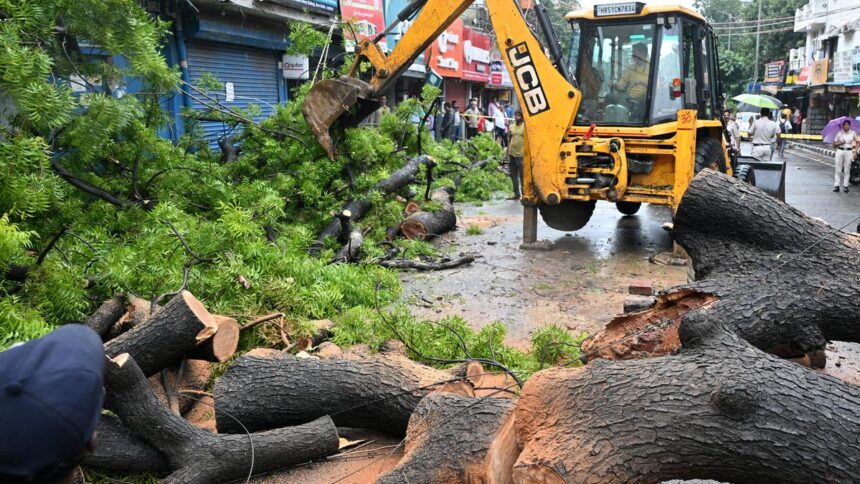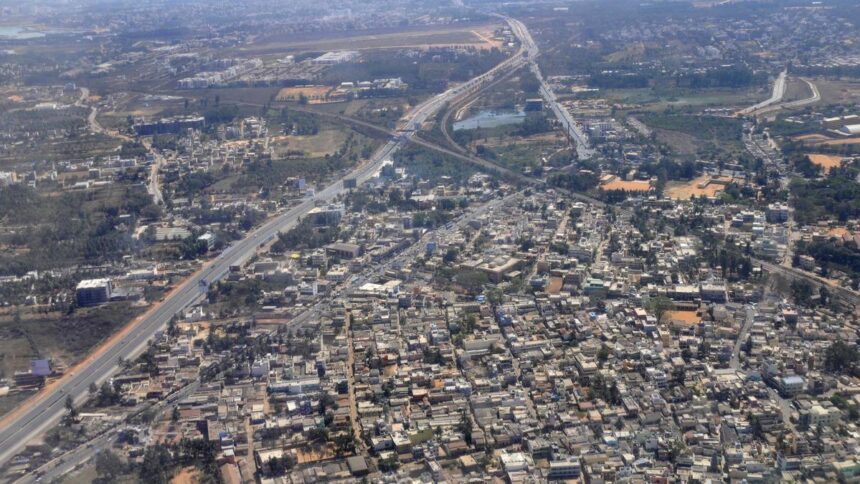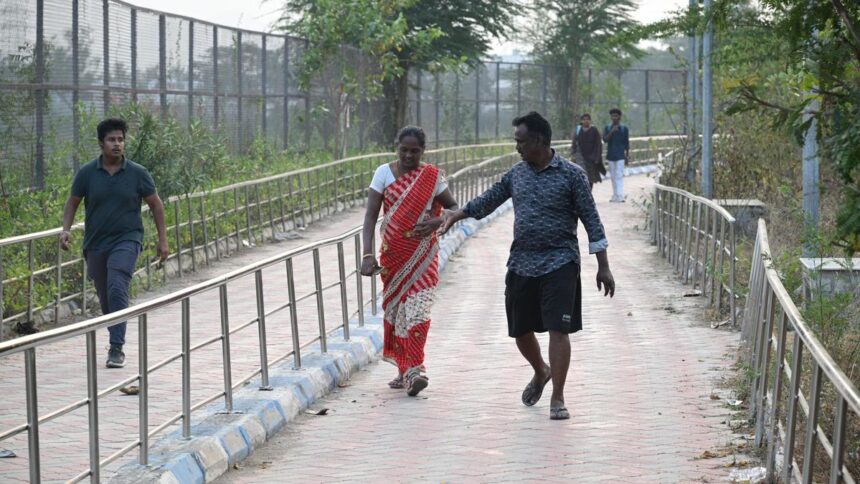






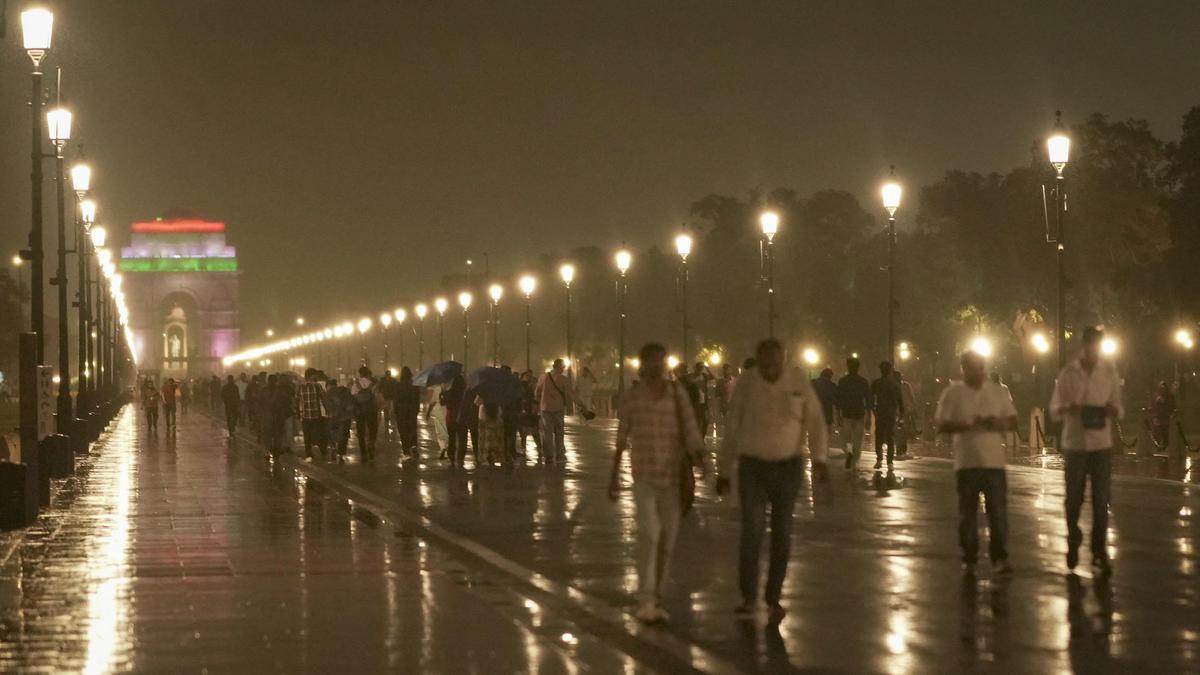

With the southwest monsoon on the wane and the Delhi-NCR (National Capital Region) bracing for a spike in winter pollution, Union Environment Minister Bhupendra Yadav chaired a meeting Monday (September 28, 2026) with Delhi Chief Minister Rekha Gupta, Delhi Environment Minister Maninder Sirsa, and senior officials of the Commission for Air Quality Management formalising a permanent institutional ‘action plan’ approach to addressing winter pollution here.
Delhi will restrict the entry of vehicles registered outside the capital that do not meet BS-VI emission standards from November 1, while government and private offices will be required to have 50% of their staff work from home during the winter pollution season, the plan announced on Monday (September 28, 2026) stated. These measures were implemented in 2024 and 2025, too.

For vehicular pollution, the ‘No PUCC (Pollution Under Control Certificate), No Fuel’ campaign (where those without a pollution certificate will be denied fuel) will cover all 500 fuel stations equipped with authorised number plate registration. The system had detected about 7,055 BS-III and older end-of-life vehicles over the previous 12 months, the presentation said.
The restrictions will remain in force from November 1, 2026, to January 31, 2027. Parking charges at authorised parking sites will be doubled, except at facilities owned and managed by the Delhi Metro Rail Corporation, while office timings will be staggered. The Municipal Corporation of Delhi’s offices will operate from 8.30 a.m. to 5 p.m., and the Government of Delhi offices from 10 a.m. to 6.30 p.m., according to a presentation laid out in a press briefing on Monday (September 28, 2026) by officials of the Commission for Air Quality Management.
The plan also provides for a complete ban on construction and demolition activity from December 10, 2026, to January 20, 2027, while dust-generating demolition and outdoor civil construction will be prohibited from November 1, 2026 to January 31, 2027. “Clear hotspot-specific targets, coordinated enforcement, citizen engagement and continuous review are key to improving air quality,” Bhupendra Yadav said in a post on social media platform X.
Delhi has set a target of redeveloping 3,065 km of roads in 2026, compared with the annual average of about 1,000 km in the previous three years. Of these, 1,193 km had been completed by September 20, leaving 1,872 km as yet unfinished. Cement-concrete works are targeted for completion by October 31, and bitumen works by November 15.
The presentation said Delhi generates about 13,500 tonnes of solid waste a day, against 7,642 tonnes being processed, while fresh-waste processing capacity is expected to reach 5,900 tonnes per day by October. The number of mechanised road-sweeping machines has increased to 98 from 76 in 2025.
“The goal should be clean air all year, and that comes from steady action on transport, industry, construction, waste management, and crop residue — planned across not just Delhi but the whole region,“ Hisham Mundol, chief advisor, India, for the non-profit Environmental Defence Fund, told The Hindu.
Industrial enforcement will be strengthened through an AI-enabled command-and-control centre; 60 continuous air quality monitoring stations, up from 47; and 334 enforcement teams. The presentation said 11,271 industrial units had been surveyed between December 2025 and September 26, 2026, with 2,283 polluting units closed or sealed.
The plan also calls for weekly hotspot inspections, citizen reporting of local pollution problems, a new citizen suggestions portal, daily evening AQI (Air Quality Index) bulletins, and coordinated action with NCR cities under an airshed approach.
Published – September 28, 2026 06:23 pm IST