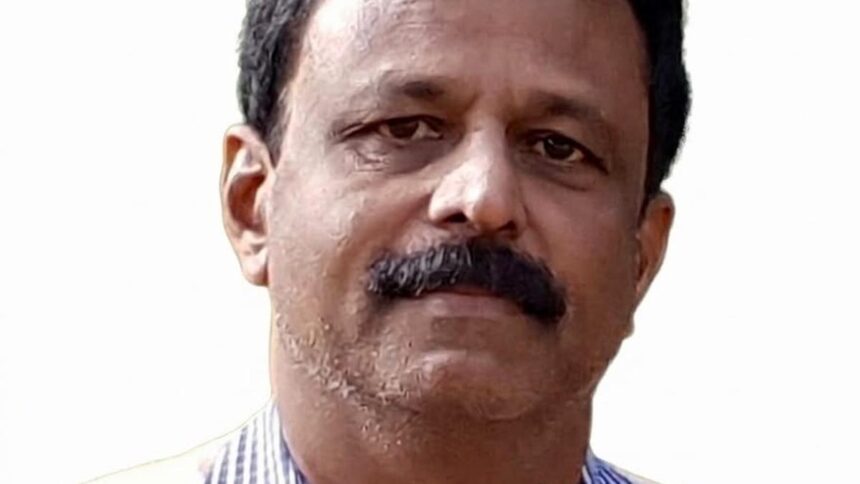






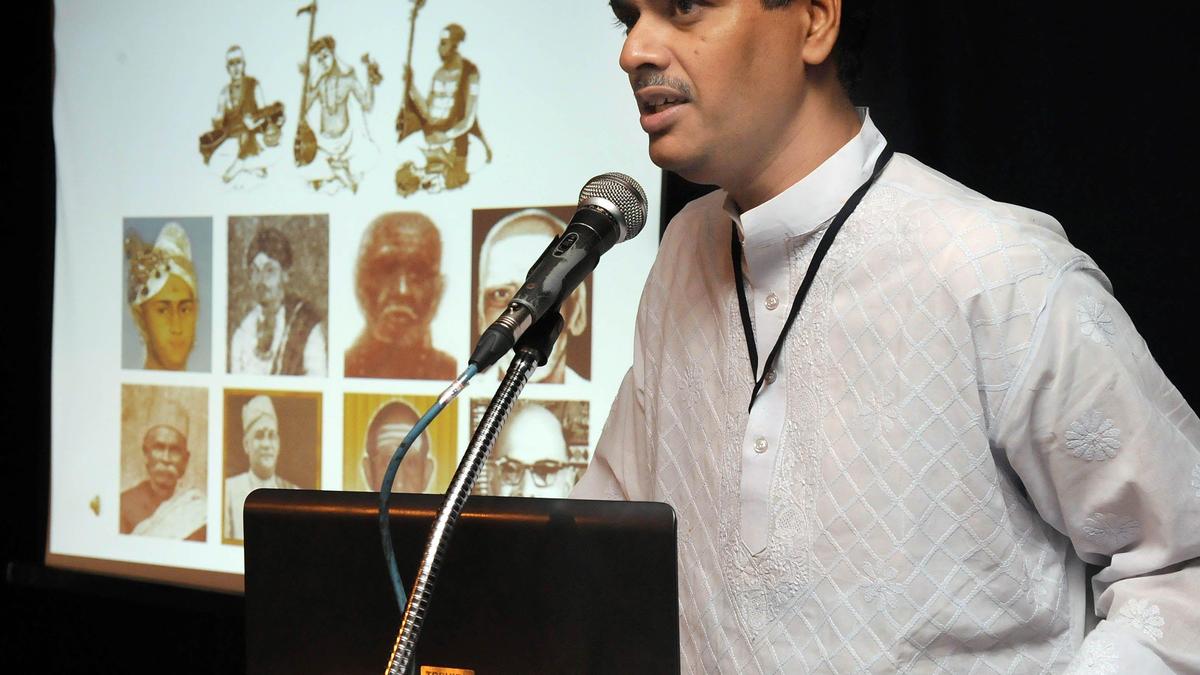


Kerala State Higher Education Council vice-chairperson Achuthsankar S. Nair says with most States adopting the broad four-year undergraduate structure, it has become the new normal in higher education.
The first batch of students pursuing the four-year undergraduate programme (FYUGP) in Keralam will have to decide by March 2027 whether to graduate after completing three years or continue into the fourth year to obtain an Honours degree.
As the batch approaches the crucial academic juncture, the Kerala State Higher Education Council (KSHEC) is working on comprehensive reforms to ensure that the new degree structures, including Major, Double Major and Double Minor qualifications, are recognised in the eligibility criteria prescribed for various jobs.
Complete, valid qualification
KSHEC vice-chairperson Achuthsankar S. Nair emphasised that a three-year degree is a complete and valid qualification, and should not be viewed as an incomplete course of study.
While an additional year of study can generally provide greater knowledge, skills and employment opportunities, students should make their choice according to their individual career aspirations rather than following the option preferred by the majority, he said.
Explaining the academic and career implications of the two options, the academic points out that a three-year degree will be sufficient for numerous posts filled through examinations conducted by the Kerala Public Service Commission, Union Public Service Commission and Staff Selection Commission, where a Bachelor’s degree is the prescribed qualification.
It will also enable graduates to pursue BEd programmes, three-year LLB courses, MBA programmes and professional qualifications in Chartered Accountancy, Company Secretaryship and Cost Accountancy. Graduates can also pursue employment in banking, insurance, cooperative institutions and certain branches of the defence services, subject to the relevant eligibility requirements.
Besides, students who complete the three-year programme will not be excluded from research or college teaching careers. They can pursue the newly designed two-year Master’s programmes, scheduled to be introduced in 2027, before seeking admission to PhD programmes through the conventional route.
Honours, Honours with Research
Dr. Nair says those opting for the fourth year can choose between an Honours degree, which places greater emphasis on skill development, and an Honours with Research degree, which is designed primarily for students interested in research and teaching.
Students who have secured 133 credits by the end of the third year and passed all their courses will be eligible to enter the fourth year, although some universities have relaxed the credit requirement. Admission to the Honours with Research pathway will require at least 75% marks in studies completed up to the third year.
The Honours with Research qualification will provide the option of direct admission to PhD programmes. Students who qualify the Junior Research Fellowship examination can pursue research with financial assistance. A system is also being introduced under which candidates holding an Honours with Research degree and a PhD can secure teaching positions without an additional Master’s degree.
Students completing a regular four-year Honours degree can subsequently enter research after pursuing a one-year Master’s programme and qualifying in the relevant entrance examination.
Studies or jobs abroad
According to Dr. Nair, a four-year degree may be preferable for students planning to pursue higher education or employment abroad, postgraduate studies in other Indian States, or careers in research and development companies.
The KSHEC vice-chairperson acknowledged that the FYUGP framework, which allows students to customise their courses according to their interests, abilities and career goals, has yet to achieve its intended flexibility.
Besides, existing regulations, teachers’ workload and institutional arrangements continue to pose challenges. Nevertheless, with most States adopting the broad four-year undergraduate structure, it has become the new normal in higher education, he observed.
Published – October 07, 2026 06:00 pm IST