






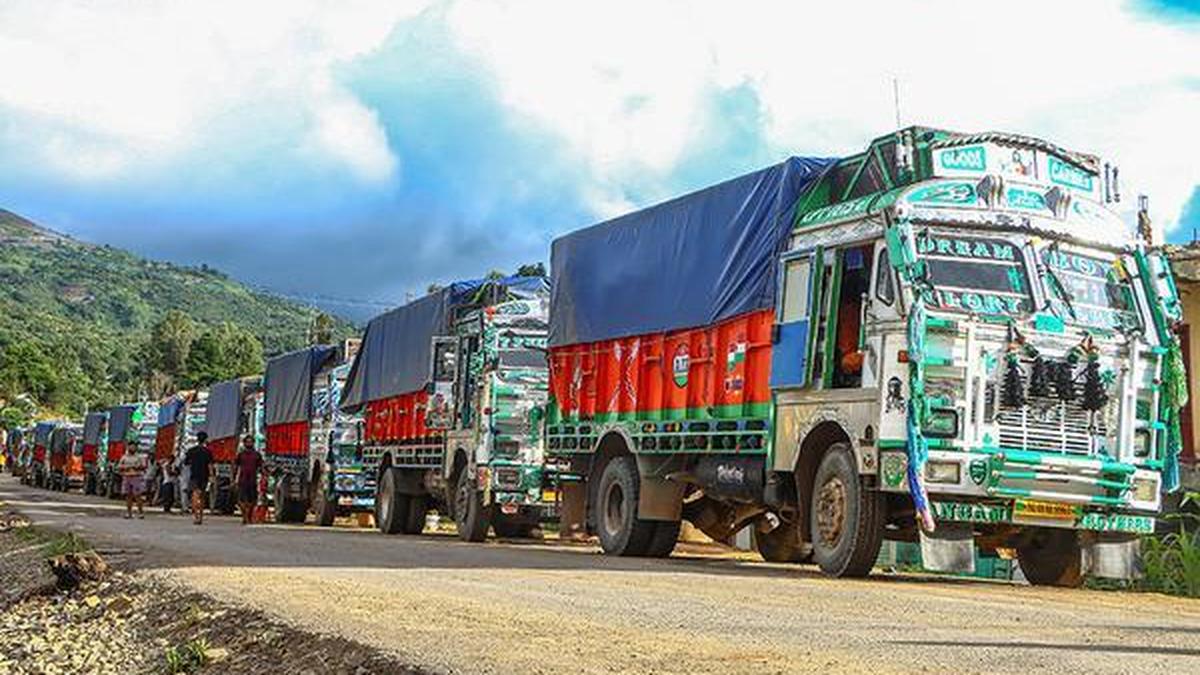

India’s commercial vehicle makers are looking beyond traditional transport hubs as freight activity expands into smaller towns and regional markets.
BharatBenz’s recent dealership launch in Supaul, Bihar, reflects this shift. The four-bay 3S (sales, service and spares) facility on NH-327A will serve Supaul, Araria, Madhepura and adjoining districts, with an annual service capacity of around 1,800 vehicles. Daimler India Commercial Vehicles (DICV) manufactures BharatBenz trucks and buses.

BharatBenz President and Chief Business Officer, Domestic Sales and Customer Service, Rajiv Chaturvedi said it is witnessing “strong momentum across smaller towns and emerging freight corridors” due to growth in manufacturing, agriculture, infrastructure, e-commerce and regional distribution networks.
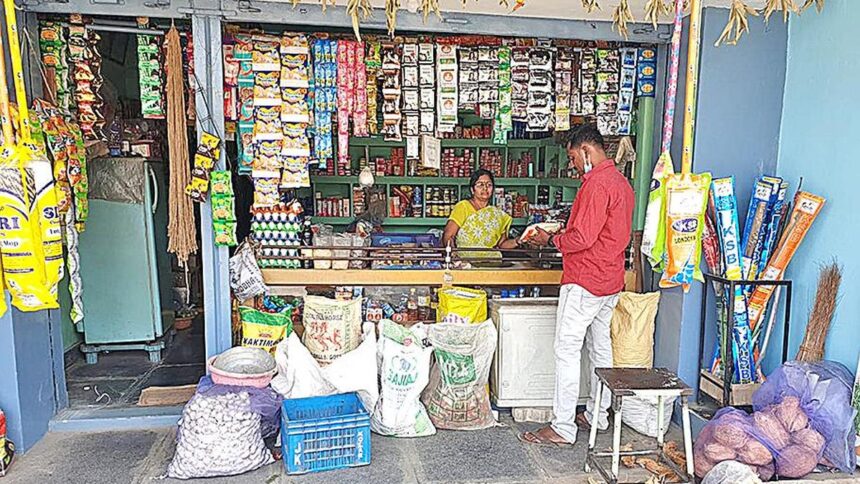
Ashok Leyland is witnessing a similar trend, with freight movement becoming more distributed across markets, according to Sanjeev Kumar, President, M&HCV Division. Smaller towns are emerging as important logistics centres, supported by rural consumption, MSME activity, organised retail and sectors such as dairy, fisheries and agriculture.

Roads redraw freight map
Improved connectivity is driving this transition. India’s national highway network expanded from 91,287 km in March 2014 to 1,46,572 km by February 2026, while the share of highways with less than two lanes declined from 30% to 9%.
Better roads are reducing travel time, improving truck utilisation and connecting smaller production centres with larger consumption markets. A study cited by the Ministry of Road Transport and Highways found that highway projects implemented between 2014 and 2022 reduced transport time between factories and suppliers by 9.19% and between factories and customers by 4.93%. Access to agricultural mandis also improved by 7%.
For truck makers, this expansion creates a new challenge: ensuring that vehicles sold in smaller markets receive the same level of service support available in major cities.

Service differentiator
Commercial vehicle customers increasingly value uptime as much as the vehicle itself. A truck that spends less time in a workshop directly improves operator profitability.
BharatBenz is expanding through a mix of integrated 3S facilities, smaller 2S outlets and mobile service formats. It currently has over 430 touchpoints and plans to expand the network to 600 by 2030, with a focus on northern, eastern and northeastern India.
Ashok Leyland is following a similar strategy through dealerships, authorised service centres, mobile service vans and digital platforms. It added 108 medium and heavy commercial vehicle outlets in FY26, taking its M&HCV touchpoints to 1,159. The company aims to have a service point every 50 km.
However, smaller markets bring their own challenges. Lower vehicle density and limited workshop volumes can affect outlet viability. Manufacturers must balance network expansion with local freight potential and long-term demand.

Beyond the initial price tag
Truck buyers are increasingly looking beyond purchase cost and evaluating the complete ownership equation — fuel efficiency, uptime, service reach, financing, resale value and lifecycle returns.
This has pushed manufacturers to build wider ownership ecosystems. BharatBenz is strengthening support through genuine parts, diagnostics, roadside assistance and digital solutions such as Truckonnect.
Ashok Leyland has expanded initiatives including Project Dhruv for workshop digitalisation, an AI-enabled uptime centre and fleet management platforms. Its ecosystem includes around 1,200 workshops, 800 authorised spare outlets, more than 10,000 independent retailers and nearly 40,000 independent mechanics.
Published – September 26, 2026 07:56 pm IST